Emergency Gutter Repair: What to Do After a Storm
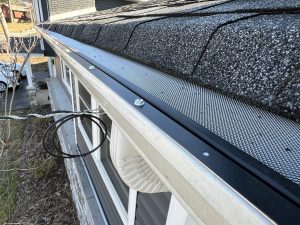

A storm can do more to a gutter system in one night than a mild winter can do in a season. Heavy rain tests every seam. Wind tugs at fasteners and hangers. Branches fall where they should not. What looked like a small sag or a minor leak before the weather turned can suddenly become a much larger problem once water starts pouring over the edge and pooling around the foundation.
Emergency gutter repair is rarely just about the gutters themselves. When a storm damages the system, the real risk is what happens next. Water that is not directed away from the house will look for the easiest path. It can run behind fascia boards, soak soffits, stain siding, flood planting beds, erode soil, and find its way into a basement or crawl space. In colder weather, the same damage can set up future ice problems. In warmer weather, standing water becomes its own headache.
The first job after a storm is not to fix everything immediately. It is to slow down, make the area safe, and figure out what failed. Some homeowners climb a ladder too quickly, especially when they see water pouring off a corner near the front door. That is understandable, but it is also where people get hurt. Wet ground, slick rungs, hidden electrical hazards, and unstable gutters are a bad combination. A calm first pass usually leads to a better repair and fewer mistakes.
Start with safety, not tools
After a storm, the house can present hazards that were not there the day before. A gutter may be hanging by one bracket, twisted under the weight of trapped water and debris. A downspout may have torn loose and landed near service lines. Tree limbs can be resting on the roofline, and wind can leave shingles scattered in the yard. Before you touch any part of the drainage system, take a walk around the home and look up from a distance.
Pay close attention to anything near power lines. If the gutter pulled away near the electrical service mast, stop there and call the utility company or a qualified contractor. Metal gutters conduct electricity, and even indirect contact can turn a simple repair into a serious emergency. If you see sparking, a downed line, or anything that looks energized, treat the area as off-limits.
Ladders deserve special caution here. The ground is often softer after a storm than it Gutter Repair looks. Mulch beds wash out. Soil near downspout discharge points can become spongy. Concrete patios develop slick algae or fine mud that acts like grease under ladder feet. If you need to inspect a high section, use a stable ladder on firm ground and have someone hold the base. If the gutter appears to be pulling the fascia with it, do not lean a ladder directly against the damaged section.
In practice, many emergency situations can be assessed from the ground first with a pair of binoculars or the zoom on a phone camera. That simple step helps you distinguish a loose elbow from a detached run, or a clog from a bent section that needs replacement.
What storm damage usually looks like
Storm damage tends to fall into a few familiar patterns, although the severity varies. One common problem is a clog caused by leaves, seed pods, roofing granules, and small twigs packed into the outlet. When that happens, the gutter may still be attached, but it overflows in a sheet because water cannot enter the downspout fast enough.
Another pattern is structural failure. A heavy downpour can fill a partially clogged gutter until the weight overwhelms old spikes or weak hangers. The front edge sags first, then the whole section can peel away. Aluminum gutters often bend before they break completely. Vinyl systems can crack at connectors or split at seams when stressed.
Wind creates a different kind of damage. It can loosen end caps, rack a downspout out of alignment, or send branches against the gutter line hard enough to dent it. Sometimes the gutter is still technically attached, but the pitch has changed. Water sits in the trough instead of flowing to the outlet, and that standing water leads to more strain over the next storm.
Roof damage and gutter damage often show up together. If shingles are missing or flashing has lifted, water can run behind the gutter and mimic a gutter leak. Homeowners sometimes seal the seam repeatedly, only to learn later that the roof edge was the source all along. That is why a careful diagnosis matters more than a quick patch.
The first hour after the storm
The most useful thing you can do in the first hour is control water and document what you see. If rain is still falling, full repair may need to wait, but temporary measures can still prevent secondary damage.
Here is a practical first response checklist:
- Walk the perimeter and note any detached sections, overflow points, fallen branches, and areas where water is entering the house.
- Take clear photos from several angles before moving anything, especially if you may file an insurance claim.
- Move outdoor furniture, doormats, stored firewood, or potted plants away from active runoff so they do not trap water against the wall.
- If a downspout extension has washed loose, reposition it to direct water at least several feet away from the foundation.
- Clear only easily reachable debris by hand or with gloves, never from an unstable ladder or near power lines.
Those five steps solve more problems than people expect. I have seen a basement stay dry simply because the homeowner noticed a downspout extension had floated off and put it back in place before the next band of rain arrived. I have also seen a modest overflow turn into fascia rot because a detached elbow was left pouring straight against the wall for three days.
Temporary fixes that actually help
Emergency gutter repair is often temporary by design. The goal is to stabilize the system until conditions are safe and dry enough for a proper repair. Temporary does not mean careless. A good short-term fix reduces water intrusion without creating new hazards.
If a downspout has disconnected at a joint, reattaching it can be straightforward if the metal is not crushed. Slip the sections back together, making sure the crimped end is oriented correctly so water flows inside the lower piece rather than leaking out at the seam. A few sheet metal screws can hold it in place until a more complete adjustment is made. If the elbow or section is too bent to reconnect cleanly, even setting it beneath the outlet to catch and redirect water away from the foundation can buy you time.
For a minor seam leak in an aluminum gutter, the area must be reasonably dry before any sealant will bond well. That is where many quick fixes fail. People squeeze caulk onto a wet, dirty seam and expect it to hold through the next storm. It usually does not. Wipe away mud and grit, dry the joint as much as possible, and use a product rated for gutter or exterior metal applications. This is a stopgap, not a permanent cure if the seam is separating because the section is twisting or the hangers are failing.
When a gutter is sagging but not yet detached, the temptation is to push it up by hand and drive in whatever screw is available. Sometimes that works for a few days, sometimes it strips out the fascia and makes the final repair harder. The better approach is to add support at a solid point if you can reach it safely, using the right fastener length and a hanger designed for the system. If the wood behind the gutter is soft, stop. Soft fascia means water has been getting where it should not, and surface-level fastening will not solve the underlying issue.
A common emergency improvisation is to bypass the damaged section altogether. If one run is crushed or torn loose and more rain is expected, some contractors will temporarily remove the worst section and use a flexible drain or splash block at the remaining outlet point to move water away from the house. It is not pretty, but it is better than allowing water to cascade directly beside the foundation.
What not to do when you are under pressure
Storm cleanup puts people in a hurry, and hurry is expensive. One of the biggest mistakes is using duct tape as if it were an exterior structural repair. Tape has a place for bundling loose pieces during cleanup, but it is not a reliable weatherproof fix for active gutter leaks or detached joints.
Another mistake is overloading the gutter during debris removal. Wet leaves and roof grit are far heavier than they look. If a section is already loose, scooping debris into one spot can be enough to pull it down. Work in small amounts and remove debris from the ladder often, rather than dragging it through the trough.
It is also worth resisting the impulse to seal every visible gap. Water stains can be deceptive. A drip appearing at a seam may have entered several feet away and traveled along the metal. If you patch without understanding the flow path, you may waste time and still leave the house exposed.
Pressure washing is another poor emergency move. It can force water behind siding, loosen shingles near the roof edge, and blast apart old sealant that was still doing some useful work. A garden hose is safer for testing once conditions calm down.
Signs the problem is bigger than a DIY repair
There is a line between a manageable emergency fix and damage that needs professional attention. Knowing where that line is can save money in the long run. I have seen homeowners spend weekends patching a system that was failing because the fascia board behind it had rotted through. The gutter was never the real problem.
Call a professional quickly if you notice any of the following:
- The gutter has pulled wood away from the roof edge or the fascia feels soft when probed.
- Water is entering the attic, wall cavity, basement, or crawl space.
- The damaged section is near electrical service components or power lines.
- The run is bent, twisted, or detached over a long span, especially on a second story.
- The roof edge itself shows missing shingles, lifted flashing, or visible decking damage.
Those are not cosmetic issues. They point to structural or water-management failures that usually require more than screws and sealant. A good gutter repair contractor will also assess roof-edge conditions, hanger spacing, outlet capacity, and drainage discharge. That broader look matters because emergency failure is often the symptom of a system that was marginal to begin with.
How to inspect the rest of the system once the weather clears
Even if the obvious damage is limited to one corner, inspect the full system after the storm. Gutters work as a chain, and one weak area often signals others. A house can have one downspout overflow because a second downspout is partially blocked. One detached section can mean the remaining hangers are also loose, just not loose enough yet to fail.
Look at the pitch first. Gutters do not need a dramatic slope, but they do need enough fall to move water toward the outlet. If standing water remains a day after the rain, something is off. Minor ponding can often be corrected by adjusting hanger placement. Persistent standing water in multiple areas may mean the installation was poor from the start.
Check seams, corners, end caps, and downspout joints for signs of fresh movement. Bright scratches around screws, small gaps that were not there before, and streaking below seams often indicate a joint has shifted. These clues matter because metal expands and contracts, and storms can push a marginal connection past its limit.
Then look below the gutters. Splash marks on siding, trenching in flower beds, and mud spatters on foundation walls tell you where overflow occurred. Sometimes the gutter itself is fine, but the downspout extension is too short or discharges uphill toward the house. Emergency gutter repair is not complete if water still ends up at the foundation.
Insurance, documentation, and realistic expectations
Not every damaged gutter qualifies for an insurance claim, and not every claim is worth filing. That depends on the cause, the extent of damage, your deductible, and whether related components such as the roof or fascia were also affected. Storm-specific events like wind-blown branches or hail-related damage may be viewed differently than wear, neglect, or long-standing clog issues.
Good documentation helps either way. Take photos before cleanup, during temporary repairs, and after conditions dry out. Save any fallen sections or obviously failed hardware until you know whether an adjuster or contractor wants to see them. If a tree limb caused the damage, photograph the limb where it landed and the surrounding area.
A contractor’s written assessment can be useful, especially when the damage is not obvious from the ground. What matters is accuracy, not drama. If the estimate notes that the gutter detached due to decayed fascia and chronic blockage, that tells a different story than impact damage from a storm-thrown branch. Clear records make it easier to decide on repair versus replacement and help avoid confusion later.
Repair or replace, the judgment call that matters
After a storm, homeowners often ask whether a damaged section can be repaired or whether the whole system needs replacement. The answer depends less on the visible tear and more on the age, material, and overall condition of the system.
If the gutters are relatively new, securely fastened, and damaged in one isolated area, a targeted repair is often sensible. Replacing a bent downspout, resealing a corner, or rehanging a short section can restore performance without much trouble. Color matching can be an issue, but function comes first in an emergency.
If the system is older and already showing multiple leaks, corrosion, sagging, or poor pitch, a storm may simply expose what was overdue. In that case, patching one section can turn into a cycle of repeat service calls. I have seen homeowners spend a few hundred dollars at a time over two years, only to replace everything anyway after repeated overflows damaged trim and basement finishes. A more complete replacement would have cost less overall.
Material matters too. Aluminum is common and usually repairable unless badly crushed. Steel is strong but can rust aggressively once protective coatings fail. Vinyl is inexpensive and easy to swap in sections, but extreme temperature swings can make it brittle, and older color-matched parts may be hard to find. Copper is its own category, often worth more meticulous repair because of its cost and expected lifespan.
Preventing the next emergency
Storm damage can never be eliminated entirely, but the risk can be reduced. Most emergency calls happen where gutters were already carrying hidden weaknesses. Clogged outlets, loose hangers, undersized downspouts, and rotten fascia are manageable when caught early. They become emergencies only when weather forces the issue.
Seasonal cleaning still matters, especially in neighborhoods with mature trees. In my experience, the trouble spots are not always where people expect. Valleys where two roof planes meet, upper-level outlets feeding lower roofs, and shaded corners that stay damp longer all collect debris differently. One clean gutter run does not guarantee the rest of the system is clear.
Proper support is another factor. Older spike-and-ferrule systems can work, but they tend to loosen over time, especially in regions with freeze-thaw cycles. Hidden hangers with screws usually hold better and are less likely to back out. A contractor evaluating storm repairs should be able to tell you whether the existing support spacing is adequate for your climate and roof runoff volume.
Downspout discharge deserves just as much attention as the gutters overhead. A perfectly repaired gutter system still fails its purpose if water dumps right beside the foundation. Extensions, splash blocks, underground drains, and grading all play a role. If your home has had repeated overflow or basement moisture, Gutter Repair it is worth looking at the entire drainage path, not just the metal at the roofline.
Tree maintenance is the final piece people tend to postpone. Limbs that overhang the roof are not just a leaf source. In wind, they become battering rams. Trimming back vulnerable branches before storm season is often cheaper than one emergency repair visit.
When the storm reveals an old problem
Some of the most important repair decisions happen when the weather has already passed. A storm may be the event that makes the gutter fail, but failure often starts much earlier. Slow leaks behind the gutter can soften fascia over months. Slightly improper pitch can leave standing water that corrodes seams over years. One missing strap on a downspout can place extra stress on every joint below it until a hard wind finishes the job.
That perspective helps when you are deciding how much to fix and how much to rethink. A house that overflowed once because a branch landed in a clean, solid system is a different situation from a house with repeated corner leaks, black streaking, soft trim, and short downspout discharge. The first may need a repair. The second may need a broader correction plan.
Emergency gutter repair works best when it is treated as part of water management, not a cosmetic patch. The storm is only the test. The real goal is to restore controlled drainage so the house can handle the next heavy rain without sending water where it does not belong. When that is done well, the result is not dramatic. Water disappears quietly into the system, moves away from the structure, and leaves no evidence behind except dry walls and stable ground. That quiet performance is exactly what you want.
Just Gutters LLC
262 Main St
Hackettstown, NJ 07840, United States
Phone: +1 201-331-9454
FAQ About Gutter Repair
Is it cheaper to repair or replace gutters?
Repair can cost less when damage is limited and the remaining system is sound. Replacement may offer better value when leaks, corrosion, or repeated failures affect several sections. An inspection and written estimate can help compare the options.
Can damaged gutters be repaired?
Many localized problems, including leaking joints, loose brackets, sagging sections, and damaged downspout connections, can be repaired. The best approach depends on the material, extent of damage, and condition of the mounting surface.
Can I repair gutters myself?
Simple ground-level checks may help identify a problem, but roof-edge work carries fall risks and may require specialized tools. Professional assessment is advisable for high gutters, loose sections, hidden wood damage, or uncertain drainage problems.